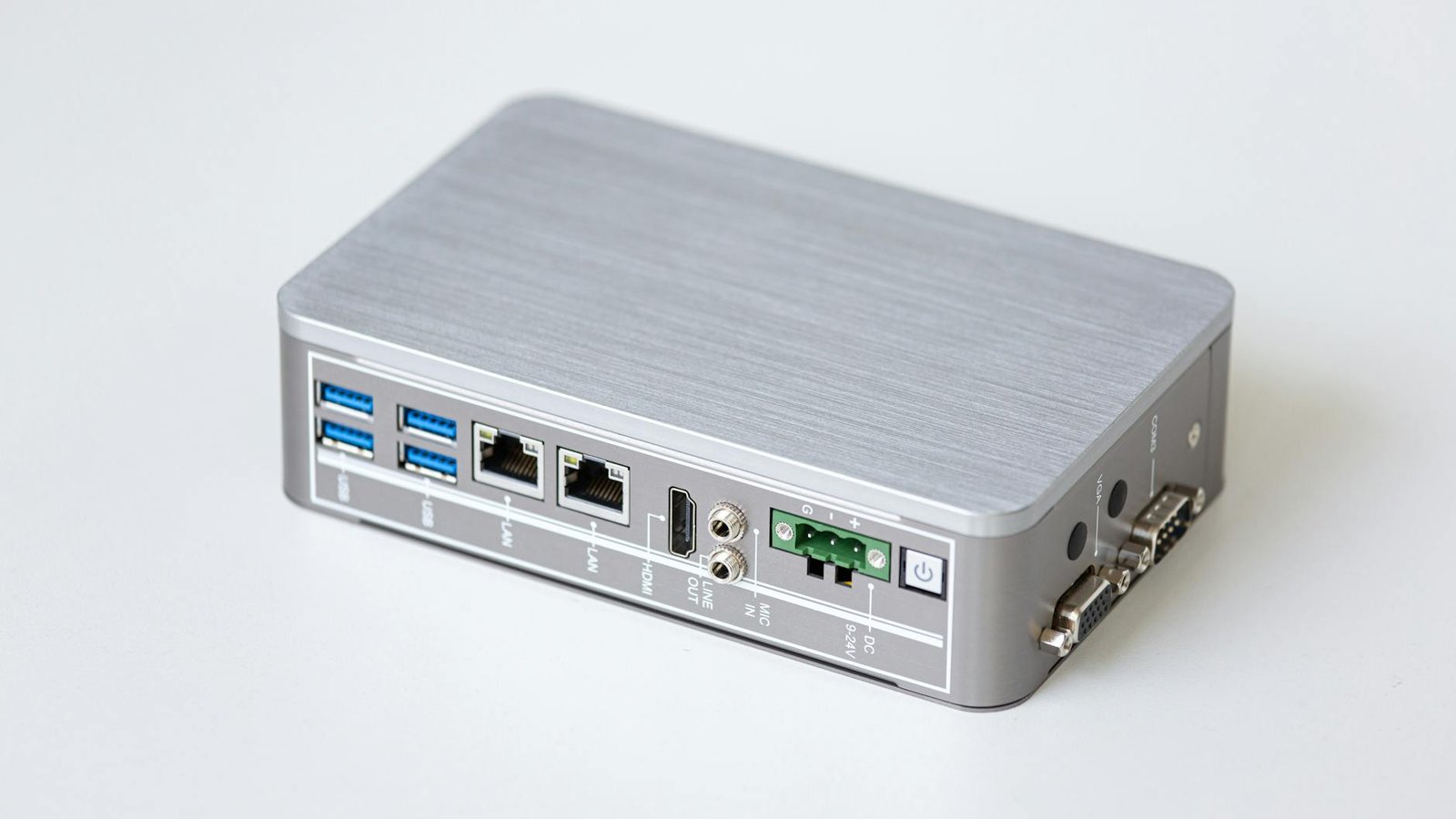
When I was setting up my own home lab a few years back, I spent weeks agonizing over whether to go with a Protectli vault running pfSense or a Ubiquiti UniFi Dream Machine — and the decision came down entirely to hardware specs and price. What I never imagined was that one day a federal regulatory body would enter that conversation and fundamentally change which devices I could even legally buy new. That reality arrived in early 2026 when the FCC updated its Covered List to include foreign-manufactured consumer-grade routers, and the home lab community immediately started asking some very serious questions. I’ve been digging through the official FCC documentation, community threads, and manufacturer details to give you the clearest, most practical breakdown I can.
Key Takeaways
- The FCC now classifies routers produced in foreign countries as prohibited from receiving new FCC equipment authorization for import or sale in the U.S., effective with its updated Covered List.
- This ban applies only to new device models — any router you already own or that was previously authorized by the FCC remains fully legal to use.
- Manufacturers like Protectli and Ubiquiti can still receive FCC authorization if they obtain a Conditional Approval from the Department of Commerce (DoC) or Department of Homeland Security (DHS).
- Home lab users should audit their upcoming hardware purchases and consider U.S.-assembled alternatives or devices already holding prior FCC authorization.
- The community impact is significant: nearly all popular prosumer networking gear — including Ubiquiti hardware built in China, Vietnam, and Taiwan — falls under this new scrutiny.
What the FCC Ruling Actually Means for Home Labbers
The FCC now classifies routers produced foreign — meaning manufactured outside the United States without a Conditional Approval from the Department of Commerce or DHS — as ineligible for new FCC equipment authorization, which effectively blocks them from being legally imported or sold as new products in the U.S. market. This does not retroactively ban devices you already own. Any router sitting in your rack today that was previously authorized by the FCC is completely unaffected.
For the home lab community, this is a significant policy shift. The self-hosting and home networking world has long relied on affordable, feature-rich hardware manufactured in Asia — particularly China, Taiwan, and Vietnam. Brands like Ubiquiti, Protectli, GL.iNet, and others have built their entire product lines around overseas manufacturing. The FCC’s updated Covered List now places all of that new hardware in a legally gray zone unless manufacturers pursue and obtain Conditional Approval.
In a real home lab setup, this means your next firewall or router upgrade decision just got a lot more complicated. Based on community experience across forums like r/homelab and r/selfhosted, the immediate reaction has been a mix of confusion, concern, and a scramble to understand which currently-available devices are still safe to purchase new.
How the FCC Classifies Routers Produced Foreign: The Full Breakdown
The Covered List and What It Includes
The FCC’s Supply Chain Covered List is a formal register of equipment and services deemed to pose an unacceptable risk to U.S. national security. Historically, this list targeted specific companies like Huawei and ZTE. The 2026 update is broader and more sweeping: it adds a categorical entry for “routers produced in a foreign country” rather than singling out individual vendors. The carve-out is narrow — only routers that have received a Conditional Approval from the Department of Commerce (DoC) or DHS are exempt from the prohibition on new FCC authorization.
What “FCC Authorization” Actually Means
Every wireless or networking device sold legally in the United States must hold an FCC equipment authorization. This is the regulatory stamp that confirms a device meets U.S. electromagnetic interference and safety standards. Without it, a product cannot be legally imported for sale. The new ruling means that any foreign-made consumer-grade router submitted for FCC authorization after the Covered List update will be denied — unless the manufacturer has already secured that Conditional Approval. Devices with existing, previously granted authorizations are grandfathered in and remain fully legal.
The Conditional Approval Pathway
The FCC’s announcement explicitly states that producers can still receive equipment authorizations if they obtain Conditional Approval. Interested manufacturers are directed to submit applications to conditional-approvals@fcc.gov. What this process entails in practice — including timelines, security audits, and supply chain transparency requirements — is still being clarified by regulators. For large companies with legal teams and compliance infrastructure, this pathway is viable. For smaller boutique home lab hardware vendors, the burden may be significant.
Impact on Protectli, Ubiquiti, and Popular Home Lab Brands
Protectli
Protectli is one of the most beloved brands in the home lab firewall space, known for its compact, fanless vaults that run open-source firewall software like pfSense, OPNsense, and Proxmox. What many users don’t realize is that all Protectli hardware is manufactured in China. Under the new FCC framework, any new Protectli device models submitted for FCC authorization after the Covered List update would be blocked unless Protectli secures a Conditional Approval. Existing models with prior FCC authorization remain legal to buy and use — but the pipeline for entirely new product launches faces a significant regulatory hurdle.
Ubiquiti
Ubiquiti’s UniFi ecosystem is arguably the most popular prosumer networking platform in the home lab world. Their hardware is manufactured across China, Vietnam, and Taiwan — all of which fall under the “foreign country” classification in the new ruling. With a product catalog spanning dozens of routers, switches, and access points, Ubiquiti faces the most complex compliance challenge of any brand in this space. Ubiquiti’s official site has not yet published a formal response to the ruling as of this writing, but the community is watching closely.
GL.iNet, Mikrotik, and Others
GL.iNet, whose travel routers and home lab-friendly OpenWrt devices are wildly popular for their flexibility, manufactures in China. Mikrotik, based in Latvia, manufactures in Latvia — which may place it outside the scope of the ruling depending on how “foreign country” is ultimately interpreted and enforced. What actually works in practice may depend heavily on how aggressively the FCC and CBP (Customs and Border Protection) enforce these restrictions at the import level.
Best Overall Pick: The Protectli VP2420 for Existing Home Lab Builds
Given everything currently in flux, the best overall pick for home lab users right now is the Protectli VP2420 — specifically because it is an existing, previously FCC-authorized model. This means you can still purchase it new without any legal concern under the current ruling. It runs on an Intel Celeron J6413 processor, supports up to 64GB of DDR4 RAM, and offers 4x 2.5GbE ports — making it genuinely capable of handling a full home lab network stack running pfSense or OPNsense. It’s fanless, silent, and purpose-built for 24/7 operation. In a real home lab setup, this is the device that gives you enterprise-grade firewall capability without enterprise-grade noise or power draw. Until the regulatory landscape clarifies and manufacturers secure Conditional Approvals for new models, buying a proven, already-authorized device like the VP2420 is the most risk-free path forward.
Top 5 Home Lab Routers to Consider Right Now
1. Protectli VP2420
Specs: Intel Celeron J6413, 4x 2.5GbE, up to 64GB DDR4, M.2 NVMe support, fanless design, AES-NI hardware encryption acceleration
Pros: Silent fanless operation ideal for home environments; excellent pfSense and OPNsense compatibility; strong community support and documentation; AES-NI ensures VPN throughput doesn’t bottleneck at gigabit speeds
Cons: No built-in Wi-Fi (requires separate AP); higher price point than consumer routers
Best for: Serious home lab users who want a dedicated firewall/router appliance running open-source software
2. Ubiquiti UniFi Dream Router (UDR) — Existing Authorized Stock
Specs: 1.35GHz quad-core ARM, 2GB RAM, 16GB eMMC, 1x 2.5GbE WAN, 4x GbE LAN, Wi-Fi 6 (802.11ax), IDS/IPS throughput up to 850Mbps
Pros: All-in-one UniFi controller, router, and Wi-Fi 6 AP; polished UniFi OS interface; strong IDS/IPS performance for a home device; excellent for managing larger UniFi deployments
Cons: Manufactured in Vietnam — new models may face authorization issues; subscription required for some advanced features
Best for: Home lab users already invested in the UniFi ecosystem who want a single-device solution
3. GL.iNet GL-MT6000 (Flint 2)
Specs: MediaTek MT7988A quad-core 1.8GHz, 1GB DDR4 RAM, 8GB eMMC, 4x 2.5GbE LAN, 1x 10GbE SFP+, Wi-Fi 6 dual-band, OpenWrt-based firmware
Pros: Native OpenWrt support with GUI; 10GbE SFP+ port is exceptional at this price point; strong VPN client/server performance; active developer community
Cons: Manufactured in China — subject to new FCC restrictions on future models; less polished UI than UniFi
Best for: Budget-conscious home labbers who want OpenWrt flexibility and multi-gig connectivity
4. Mikrotik RB5009UG+S+IN
Specs: Marvell Armada 88F7040 quad-core 1.4GHz, 1GB DDR4 RAM, 7x GbE, 1x 2.5GbE, 1x SFP+ 10GbE, RouterOS L5 license included
Pros: Manufactured in Latvia — likely outside scope of current FCC foreign router restrictions; RouterOS is extraordinarily powerful for advanced networking; exceptional value for multi-port routing; rock-solid reliability reported across the community
Cons: RouterOS has a steep learning curve; no built-in Wi-Fi; CLI-heavy configuration not beginner-friendly
Best for: Advanced home lab users comfortable with RouterOS who want a potentially regulation-safe option
5. Protectli FW4C
Specs: Intel Celeron J3160 quad-core 1.6GHz (burst to 2.24GHz), 4x Intel GbE ports, up to 8GB DDR3L RAM, mSATA SSD support, AES-NI, fanless
Pros: Entry-level price point for Protectli quality; proven platform with years of community deployments; compatible with pfSense, OPNsense, and OpnSense; low 6W TDP means negligible electricity cost
Cons: Older J3160 CPU limits VPN throughput compared to newer platforms; only GbE (no 2.5GbE); manufactured in China
Best for: Home lab beginners who want a reliable, affordable firewall appliance on a tight budget
Product Comparison Table
| Device | CPU | Max RAM | Top Port Speed | Wi-Fi | Mfg. Country | FCC Risk Level |
|---|---|---|---|---|---|---|
| Protectli VP2420 | Intel J6413 | 64GB DDR4 | 2.5GbE x4 | No | China | Low (existing auth) |
| Ubiquiti UDR | ARM Quad 1.35GHz | 2GB | 2.5GbE WAN | Wi-Fi 6 | Vietnam | Medium (new models) |
| GL.iNet Flint 2 | MT7988A 1.8GHz | 1GB DDR4 | 10GbE SFP+ | Wi-Fi 6 | China | Medium-High (new models) |
| Mikrotik RB5009 | Marvell 88F7040 1.4GHz | 1GB DDR4 | 10GbE SFP+ | No | Latvia | Low (non-covered) |
| Protectli FW4C | Intel J3160 1.6GHz | 8GB DDR3L | GbE x4 | No | China | Low (existing auth) |
What Home Lab Users Should Actually Do Right Now
Check Your Existing Hardware First
If you already own a Ubiquiti, Protectli, or GL.iNet device, you have nothing to worry about. The FCC ruling explicitly protects previously purchased and previously authorized equipment. Your existing home lab network stack is legally sound and operationally unaffected. Focus your energy on future purchasing decisions, not your current gear.
Prioritize Devices With Existing FCC Authorization
For any router or firewall purchase you plan to make in the near term, look specifically for models that already hold FCC equipment authorization. Retailers and distributors selling existing authorized stock are operating entirely within the law. The risk only materializes when manufacturers attempt to bring entirely new, previously unauthorized foreign-made models to market after the Covered List update took effect. Check the FCC Covered List directly for the latest updates.
Watch the Conditional Approval Pipeline
The Conditional Approval pathway is the industry’s lifeline here. Larger vendors like Ubiquiti have the legal and compliance resources to pursue this route. Based on community experience, the expectation is that major brands will file for Conditional Approval and continue operating — but the timeline is uncertain, and smaller vendors may struggle. Subscribe to vendor newsletters and watch official announcements closely over the next 6 to 12 months.
Consider U.S.-Assembled or Non-Covered Alternatives
Mikrotik’s Latvian manufacturing may place it outside the scope of this ruling. Some U.S.-based system integrators are also beginning to offer domestically assembled firewall appliances using American-sourced components. These will likely carry a price premium, but they represent a genuinely regulation-safe path for home lab networking gear going forward. Also explore our pfSense setup guide and OPNsense vs pfSense comparison to maximize whatever hardware you choose.
Frequently Asked Questions
What is the best home lab router to buy given the new FCC ruling?
The best option right now is a device with an existing FCC authorization, such as the Protectli VP2420 or an already-authorized Ubiquiti UniFi model. For users concerned about long-term regulatory certainty, the Mikrotik RB5009 — manufactured in Latvia — is an excellent alternative with exceptional routing performance and a potentially cleaner regulatory profile under the current rules.
How do I know if a router I want to buy is still legal to purchase new?
Check whether the specific model already holds an FCC equipment authorization granted before the Covered List update. If the model was already on the market and authorized, it is legal to buy new. The restriction applies to new models seeking authorization after the ruling. When in doubt, contact the manufacturer directly and ask whether their specific SKU holds a pre-existing FCC authorization.
Do I need to return or stop using my existing Ubiquiti or Protectli router?
Absolutely not. The FCC ruling explicitly states that consumers can continue to use any router they have already lawfully purchased or acquired. This action does not affect previously purchased consumer-grade routers in any way. Your existing home lab networking gear is fully compliant and legal to continue operating indefinitely.
Will Ubiquiti and Protectli be able to sell new products in the U.S. going forward?
Almost certainly yes, through the Conditional Approval pathway. Both companies have strong U.S. market presences and significant incentive to pursue compliance. The FCC’s announcement specifically encourages manufacturers to submit applications for Conditional Approval. The process adds regulatory overhead, but it is not an outright permanent ban — it is a new compliance requirement that well-resourced vendors can navigate.
Conclusion: Stay Informed and Plan Your Next Home Lab Network Upgrade Wisely
The FCC’s decision to add foreign-manufactured consumer-grade routers to its Covered List is one of the most consequential regulatory developments the home lab community has faced in years. The immediate practical impact is narrower than the alarming headlines suggest — your existing gear is safe, and previously authorized models remain fully purchasable — but the long-term implications for new product launches from brands like Ubiquiti, Protectli, and GL.iNet are genuinely significant and still unfolding. What actually works in practice over the next 12 months will depend heavily on how quickly manufacturers navigate the Conditional Approval process and how aggressively enforcement agencies act at the import level.
The smartest move right now is to make any planned hardware purchases using currently authorized models, keep a close eye on official vendor communications, and explore alternatives like Mikrotik for their potentially favorable regulatory positioning. Check out our roundup of the best home lab firewalls for more hardware options that fit within the current regulatory landscape.
Have you already started auditing your home lab hardware purchases in light of this ruling? Are you sticking with your current gear or exploring new alternatives? Drop your thoughts, questions, and setup details in the comments below — the community learns best when we share what we’re actually running in our own racks.