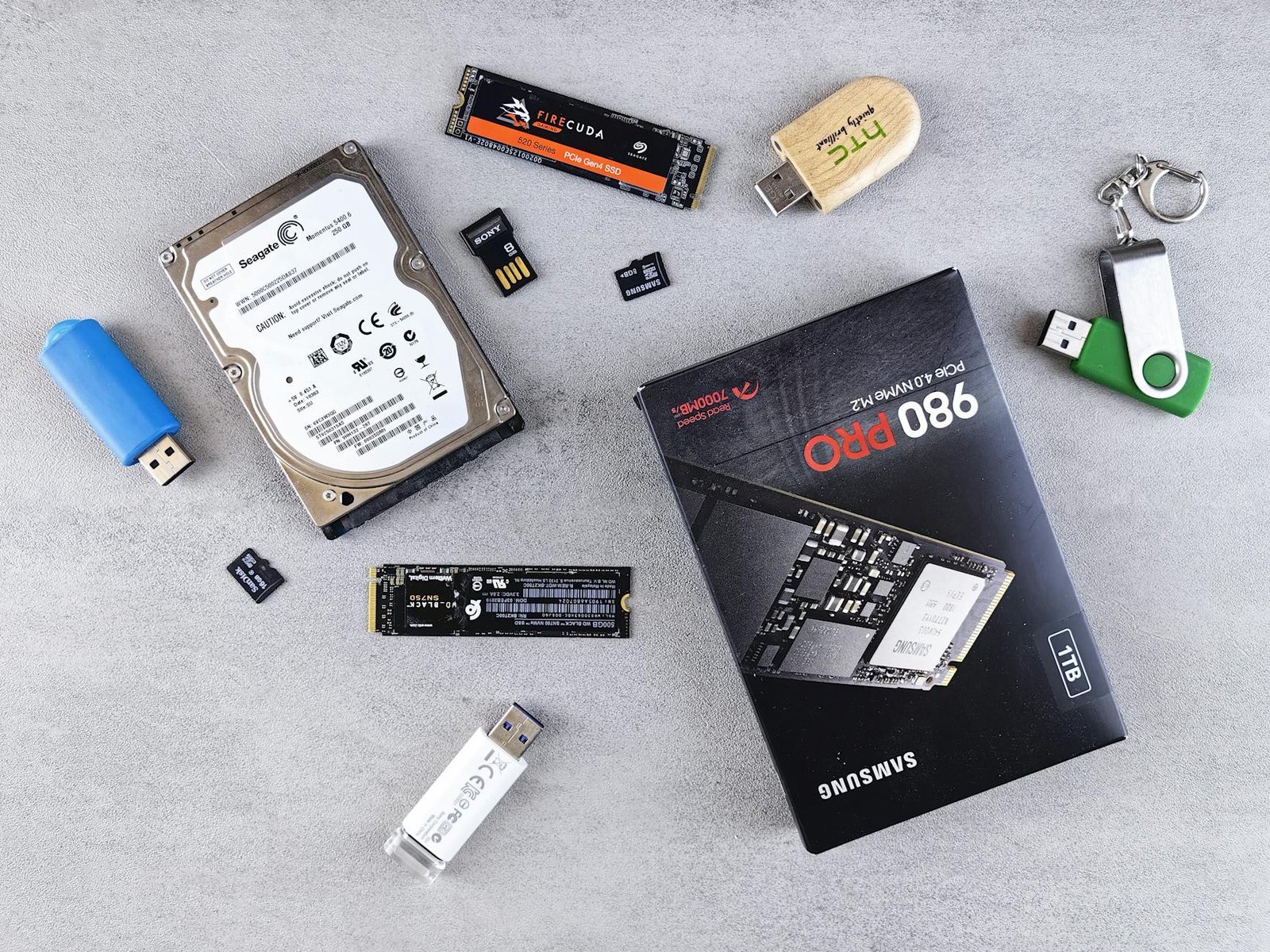
As someone who regularly digs into what’s actually happening in the home lab community and reports back on what matters, this story immediately caught my attention. When I was setting up my own home lab and needed to move a batch of NVMe drives across the country after a hardware auction, I genuinely debated whether to trust a courier or just pack them in my carry-on — and I chose the bag. What surprised me when I first tried it with just a dozen drives was how little TSA agents seemed to understand what they were looking at on the X-ray screen. So when a post surfaced on r/homelab showing someone getting stopped and questioned for traveling with NVMe drives numbering in the hundreds, I knew this was a conversation the entire self-hosting community needed to have properly.
Key Takeaways
- Getting stopped and questioned traveling with NVMe drives is legal and increasingly common among home lab enthusiasts who prefer carry-on transport over risky courier shipping.
- TSA does not prohibit solid-state storage drives in carry-on luggage, but large quantities can trigger secondary screening due to unusual X-ray density patterns.
- Flying with drives is often safer and cheaper than FedEx or UPS for high-value NVMe collections, where a single lost shipment can mean thousands of dollars in irreplaceable data.
- Proper anti-static packaging, a clear inventory list, and calm communication with security agents are the three most important preparation steps.
- Choosing the right NVMe drive for your home lab — balancing endurance ratings (TBW), form factor, and PCIe generation — matters just as much as how you transport them.
What Actually Happened: The 700+ NVMe Story
Getting stopped and questioned traveling with NVMe drives is something most home lab enthusiasts never plan for — but one r/homelab community member found themselves in exactly that situation after loading more than 700 NVMe drives into a single carry-on bag for a domestic flight. The image shared to the subreddit showed an extraordinary density of M.2 form factor drives packed methodically into a bag, and the poster’s reasoning was straightforward: shipping that volume of drives through a major courier like FedEx or UPS introduces unacceptable risks of loss, damage, and theft, while the cost of insuring such a shipment can easily exceed the savings of not flying with them personally.
The TSA pulled the traveler aside for secondary screening. Agents were unfamiliar with what the drives looked like under X-ray — a dense, metallic cluster of similar objects can look unusual even when it is entirely benign. After a brief explanation and a manual inspection of a few sample drives, the traveler was cleared and allowed to board. No drives were confiscated. No laws were broken. But the experience highlighted a genuine gap in awareness, both among security personnel and within the home lab community itself, about the practicalities of transporting large quantities of solid-state storage media by air.
Stopped and Questioned Traveling With NVMe: What the Rules Actually Say
According to the TSA’s official guidance on electronic devices, solid-state drives including NVMe and M.2 drives are permitted in both carry-on and checked baggage. There is no stated limit on the quantity of drives a passenger may carry. The restriction that most people are familiar with — the one requiring laptops to be removed from bags — applies to devices with large lithium batteries, not to passive storage components like NVMe drives, which contain no battery and no hazardous materials.
What can trigger a secondary screening is the sheer visual density of a large number of identical metallic objects stacked together. X-ray operators are trained to flag anything that obstructs a clear view of surrounding items or creates an anomalous pattern. In a real home lab setup, you would never think twice about packing a few drives — but at scale, the optics change dramatically. The drives themselves are not the problem. The unusual presentation is.
It is also worth noting that customs and border protection rules may apply differently when crossing international borders with large quantities of electronic components that could be interpreted as commercial inventory. Domestic travel within the United States carries no such complication for personal hardware.
How the Home Lab Community Reacted
The r/homelab post generated substantial discussion, and the community’s response was a mix of amusement, solidarity, and practical advice. Several commenters shared their own experiences of being stopped at security checkpoints with hard drives, SSDs, and other home lab components. The consensus was clear: carry-on transport is almost universally preferred over courier shipping for high-value or irreplaceable storage media.
Based on community experience, the most common frustration is not the TSA screening itself but the inconsistency between agents. Some airports wave through bags full of drives without a second glance. Others escalate immediately. One commenter noted that labeling drives individually and carrying a printed inventory sheet resolved their secondary screening in under two minutes. Another pointed out that anti-static bags actually help visually, because they make the drives look more like deliberate, organized electronic components rather than a mysterious metallic mass.
What actually works in practice, according to dozens of community responses, is a combination of calm communication, visible organization, and a willingness to explain clearly what the items are. Home lab enthusiasts are not the first people to travel with unusual electronics, and TSA agents who encounter a cooperative, prepared traveler tend to resolve screenings quickly.
Flying With Drives vs. Shipping: The Real Cost Comparison
The economics here are not subtle. A batch of 700 NVMe drives at even a modest average value of $30 per unit represents a $21,000 shipment. FedEx’s declared value insurance caps out at specific tiers, and claims for electronics are notoriously difficult to process successfully. Industry data suggests that high-value electronics shipments experience damage or loss rates that, while small in percentage terms, translate to significant dollar exposure at scale.
Shipping 700 drives via FedEx Ground with full declared value insurance could cost several hundred dollars in shipping fees alone, plus insurance premiums that add meaningfully to the total. A domestic airline ticket, even with a checked bag fee, is almost always cheaper — and the drives never leave your physical custody. For home lab operators who have spent months or years accumulating a drive collection, the peace of mind of personal custody is worth more than any shipping convenience.
The risk calculus also includes data security. Many home lab NVMe drives contain sensitive personal or project data. Handing those drives to a courier means accepting a chain of custody you cannot monitor or control. Flying with them keeps that chain intact from door to door.
Practical Tips to Avoid Getting Stopped and Questioned Traveling With NVMe Drives
Whether you are moving 10 drives or 700, these steps will reduce your chances of a prolonged secondary screening and make the process smoother if one does occur.
Pack Deliberately and Visibly
Use individual anti-static bags or foam-lined cases. Avoid loose piles of drives. When drives are clearly organized and protected, the X-ray image reads as intentional rather than suspicious. A Pelican-style hard case with foam cutouts is ideal for larger collections and signals to any inspector that these are carefully managed components.
Carry a Printed Inventory
A simple printed list showing the number of drives, their model numbers, and approximate value takes thirty seconds to produce and can resolve a secondary screening in under two minutes. It demonstrates that you know exactly what you are carrying and why.
Know Your Rights and Stay Calm
TSA agents have the authority to inspect your bag but not to confiscate legal items without cause. Drives are legal. You are allowed to carry them. A calm, cooperative demeanor and a clear explanation of what the items are will resolve the vast majority of secondary screenings without incident.
Consider TSA PreCheck for Frequent Hardware Travelers
TSA PreCheck lanes use different screening protocols and tend to involve less intensive manual inspection for bags that pass the X-ray without flagging. For home lab enthusiasts who regularly travel with hardware, the $85 five-year enrollment fee pays for itself quickly in reduced screening stress.
5 Best NVMe Drives Worth Traveling With for Your Home Lab
Since this story is really about the value of NVMe drives as home lab components, it makes sense to highlight the drives most worth protecting in the first place. These are the five options that consistently earn the strongest recommendations from the self-hosting and home server community.
1. Samsung 990 Pro 2TB NVMe SSD
Specs: PCIe 4.0 x4, M.2 2280, sequential read up to 7,450 MB/s, sequential write up to 6,900 MB/s, 1,200 TBW endurance rating.
Pros: Industry-leading sequential performance for VM storage and NAS caching; exceptional endurance at 1,200 TBW makes it suitable for write-heavy home server workloads; Samsung’s Magician software provides detailed health monitoring; compact M.2 form factor means you can fit dozens in a small case.
Cons: Premium pricing puts it above budget for bulk storage builds.
Best for: Primary VM datastores, NAS cache tiers, and high-performance home server boot drives.
2. WD Black SN850X 2TB NVMe SSD
Specs: PCIe 4.0 x4, M.2 2280, sequential read up to 7,300 MB/s, sequential write up to 6,600 MB/s, 1,200 TBW endurance rating.
Pros: Excellent sustained write performance under thermal load; WD Dashboard software supports health monitoring and firmware updates; strong community trust in the home lab and self-hosting space; competitive pricing relative to Samsung at similar performance tiers.
Cons: Slightly lower peak write speeds than the Samsung 990 Pro in synthetic benchmarks.
Best for: Home server primary storage, Proxmox VE datastores, and TrueNAS metadata drives.
3. Crucial P3 Plus 4TB NVMe SSD
Specs: PCIe 4.0 x4, M.2 2280, sequential read up to 5,000 MB/s, sequential write up to 4,200 MB/s, 800 TBW endurance rating.
Pros: Exceptional value per terabyte for bulk home lab storage; 4TB capacity in M.2 form factor maximizes density in tight builds; suitable for media server storage where sequential throughput matters more than random IOPS; widely available and frequently discounted.
Cons: Lower endurance rating than premium drives makes it less suitable for heavy write workloads like database hosting.
Best for: Plex media storage, bulk file server capacity, and secondary backup tiers in a home NAS.
4. Sabrent Rocket 4 Plus 2TB NVMe SSD
Specs: PCIe 4.0 x4, M.2 2280, sequential read up to 7,100 MB/s, sequential write up to 6,600 MB/s, 700 TBW endurance rating.
Pros: Aggressive pricing for PCIe 4.0 performance; strong random read performance at up to 1,000,000 IOPS makes it excellent for containerized workloads; Sabrent’s Rocket Control software provides S.M.A.R.T. monitoring; good thermal management with included heatsink option.
Cons: 700 TBW endurance rating is lower than Samsung and WD equivalents at the same capacity.
Best for: Docker and Kubernetes home lab nodes where random IOPS performance is the priority.
5. Seagate FireCuda 530 2TB NVMe SSD
Specs: PCIe 4.0 x4, M.2 2280, sequential read up to 7,300 MB/s, sequential write up to 6,900 MB/s, 1,275 TBW endurance rating — the highest in this roundup.
Pros: Best-in-class endurance rating at 1,275 TBW makes it ideal for write-intensive home lab applications; Seagate Rescue data recovery service included for three years; excellent sustained performance under prolonged workloads; available with integrated heatsink for dense server builds.
Cons: Typically priced at a premium over comparable Samsung and WD options.
Best for: Write-heavy workloads including database servers, surveillance recording, and continuous backup targets.
NVMe Drive Comparison Table
| Drive | Interface | Seq Read | Seq Write | TBW (2TB) | Best Use Case |
|---|---|---|---|---|---|
| Samsung 990 Pro 2TB | PCIe 4.0 x4 | 7,450 MB/s | 6,900 MB/s | 1,200 TBW | VM datastores, NAS cache |
| WD Black SN850X 2TB | PCIe 4.0 x4 | 7,300 MB/s | 6,600 MB/s | 1,200 TBW | Proxmox, TrueNAS metadata |
| Crucial P3 Plus 4TB | PCIe 4.0 x4 | 5,000 MB/s | 4,200 MB/s | 800 TBW | Media storage, bulk capacity |
| Sabrent Rocket 4 Plus 2TB | PCIe 4.0 x4 | 7,100 MB/s | 6,600 MB/s | 700 TBW | Docker, Kubernetes nodes |
| Seagate FireCuda 530 2TB | PCIe 4.0 x4 | 7,300 MB/s | 6,900 MB/s | 1,275 TBW | Databases, surveillance, backups |
Best Overall Pick for Home Lab NVMe Storage
The Samsung 990 Pro 2TB is the top recommendation for most home lab users, and it is not a close race. The combination of 7,450 MB/s sequential read, 1,200 TBW endurance, and Samsung’s mature firmware ecosystem makes it the most reliable all-around performer across the widest range of home lab workloads. Whether you are running Proxmox with a dozen VMs, hosting a TrueNAS scale cluster, or building out a self-hosted media server with active transcoding, the 990 Pro handles all of it without thermal throttling or endurance concerns.
What actually works in practice is Samsung’s Magician software, which provides real-time health monitoring, over-provisioning controls, and firmware update management — features that matter enormously when you are managing a large collection of drives in a home server environment. The Samsung 990 Pro product page confirms the full specification sheet, and community benchmarks consistently validate the advertised figures in real-world home lab conditions.
For budget-conscious builders who need maximum capacity per dollar, the Crucial P3 Plus 4TB is the runner-up. But for anyone building a serious home lab where storage reliability and performance consistency matter over the long term, the Samsung 990 Pro earns its premium. See our guide to the best NVMe drives for NAS builds for a deeper dive into capacity tiers.
Frequently Asked Questions
Is it legal to travel with NVMe drives in a carry-on bag?
Yes, NVMe and M.2 solid-state drives are completely legal to carry in both carry-on and checked baggage on domestic US flights. TSA does not restrict the type or quantity of passive storage media. Large quantities may trigger a secondary screening due to X-ray density patterns, but the drives themselves are not prohibited items.
What is the best way to pack NVMe drives for air travel?
Use individual anti-static bags for each drive and pack them in a foam-lined hard case or organized pouch. Carry a printed inventory list showing model numbers and quantities. This combination minimizes the chance of a prolonged TSA screening and protects the drives from electrostatic discharge and physical shock during transit.
How do I choose the right NVMe drive for a home lab server?
Focus on three specifications: PCIe generation (PCIe 4.0 offers the best current performance-per-dollar), TBW endurance rating (aim for at least 600 TBW per 1TB for write-heavy workloads), and form factor compatibility with your motherboard or HBA. For VM datastores and NAS cache, prioritize random IOPS. For media storage, sequential throughput matters more. Check our home lab storage guide for workload-specific recommendations.
Do I need to declare NVMe drives at customs when traveling internationally?
For personal use hardware, most countries do not require declaration of NVMe drives as long as they are clearly personal items rather than commercial inventory. However, traveling with hundreds of drives could attract customs scrutiny as potential commercial goods. Check the specific import regulations of your destination country and carry documentation showing the drives are personal home lab equipment if traveling internationally with large quantities.
Is flying with NVMe drives safer than shipping them with FedEx or UPS?
For high-value collections, yes. Personal custody eliminates the risk of courier loss, theft, and rough handling that can damage drives in transit. Insurance claims for electronics with major couriers are notoriously difficult to process. For anything above a few hundred dollars in drive value, the cost and peace of mind of carrying drives personally almost always outweighs the convenience of courier shipping. See our home lab hardware buying guide for more on protecting your investment.
Final Verdict: Carry Your Drives, Know Your Hardware
The r/homelab story about getting stopped and questioned for traveling with NVMe drives is equal parts funny and genuinely instructive. It confirms what experienced home lab operators have known for years: personal custody of high-value storage hardware is almost always the right call. TSA screening is a minor inconvenience that a printed inventory list and a calm demeanor resolve in minutes. A lost FedEx shipment containing your entire drive collection is a problem that cannot be resolved at all.
The broader takeaway for the self-hosting community is that the NVMe drives powering your home lab — whether you are running Proxmox, TrueNAS, Unraid, or a bare-metal Kubernetes cluster — are worth protecting at every stage of their lifecycle, including during transport. Choosing drives with strong endurance ratings, proven firmware, and active health monitoring software is the foundation of a reliable home lab storage strategy. The Samsung 990 Pro remains the benchmark for most use cases, but every option in this roundup earns its place depending on your specific workload and budget.
Have you ever been stopped at airport security with home lab hardware? Did you fly with drives or trust a courier — and how did it go? Drop your experience in the comments below, share this post with your home lab community, or tag us when you post your next hardware haul. The more the community shares these real-world experiences, the better prepared every self-hoster becomes.