

Mac mini M4 as a Home Server: Plex, Local LLMs and the Trade-offs vs an x86 Mini PC (2026)
Where a Mac mini home server wins for local LLMs and quiet running, where macOS gets in the way, and how it compares with an x86 mini PC for Plex.
Where a Mac mini home server wins for local LLMs and quiet running, where macOS gets in the way, and how it compares with an x86 mini PC for Plex.

How Ryzen AI Max+ 395 mini PCs with up to 128GB unified LPDDR5X handle local LLMs, where memory bandwidth limits speed, and how they compare to GPUs.

Pocket OpenWrt travel routers with WireGuard and Tailscale let you reach your home lab from hotel Wi-Fi. How to pick by throughput, ports and power.

How OCuLink turns a mini PC into a local LLM box: PCIe over a cable, VRAM tiers, power and cable caveats, plus how it compares to Thunderbolt eGPUs.

Our high-VRAM GPU buying guide covers which card to buy once you’ve decided to build a dedicated local AI box. This piece answers the question that comes before that one: should you buy at all, or rent GPU time by…

This site has covered self-hosted AI chatbots extensively from the software side – Ollama, Open WebUI, running models on hardware you own instead of renting inference from a cloud provider – without ever addressing the specific new hardware category built…

Meshtastic turns a handful of cheap LoRa radio boards into a private, encrypted mesh messaging network that needs no cell tower, no subscription, and no internet connection to function – messages hop node to node until they reach their destination…
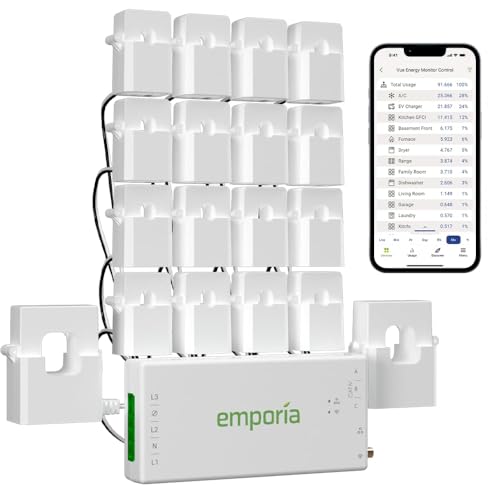
A smart plug only sees what’s plugged into it. Panel-level energy monitors see every circuit in the house at once – the newer, more capable category for actually understanding and cutting a rising electricity bill.

Leak detectors tell you water is where it shouldn’t be. This newer category of device goes further: it senses the leak and automatically shuts off your home’s main water supply before it becomes a real claim. What these devices are and which ones to buy.
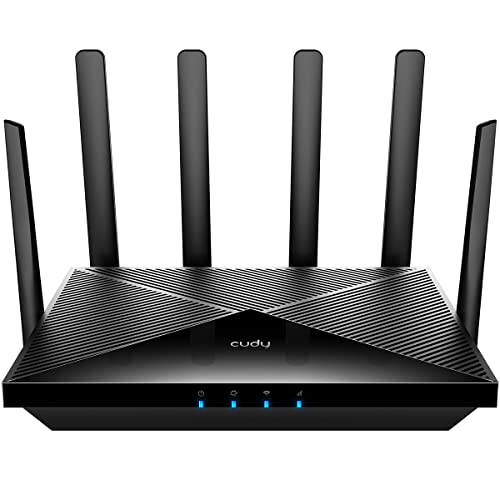
A hardware buying guide to the actual router models solving a genuinely newer problem: automatic 5G failover when the primary ISP connection drops. Real product picks, not the ISP-vs-DIY strategy question.